
IVF (In Vitro Fertilization) has helped millions of couples become parents. Still, many people hesitate to choose IVF because of myths, fear, and half‑true information. These myths often create unnecessary stress and delay the right treatment.
In this blog, we will clearly explain IVF myths vs facts, so couples can take informed decisions with confidence.
What is IVF?
IVF is a fertility treatment where eggs are collected from a woman, fertilized with sperm in a laboratory, and the best embryo is transferred into the uterus. IVF is recommended when natural pregnancy is difficult or not possible.
Understanding the truth behind IVF myths is very important before starting the treatment.
Myth 1: IVF is only for women

Fact: IVF is for both male and female fertility problems
One of the biggest myths is that infertility is always a woman’s issue. In reality, infertility can be due to male factors, female factors, or both.
IVF is commonly recommended for:
- Low sperm count or poor sperm quality
- Blocked fallopian tubes
- PCOS or endometriosis
- Unexplained infertility
Both partners are equally involved in IVF treatment.
Myth 2: IVF always guarantees pregnancy
Fact: IVF improves chances but does not guarantee success
IVF increases the chance of pregnancy, but it is not a 100% guarantee. Success depends on many factors such as:
- Woman’s age
- Egg and sperm quality
- Uterine health
- Lifestyle and medical history
However, IVF offers higher success rates compared to other fertility treatments.
Myth 3: IVF babies are not healthy
Fact: IVF babies are as healthy as naturally conceived babies
This is one of the most common fears among couples. Scientific studies have shown that IVF babies are physically and mentally as healthy as naturally conceived children.
Today, IVF technology is advanced, safe, and well‑regulated, ensuring healthy embryo development.
Myth 4: IVF is very painful
Fact: IVF is mostly a comfortable and manageable process
Many people think IVF involves severe pain. In reality, most IVF procedures cause only mild discomfort.
Injections may cause slight pain
Egg retrieval is done under anesthesia
Embryo transfer is usually painless
Doctors ensure patient comfort throughout the treatment.
Myth 5: IVF is only for older women
Fact: IVF can be done at any reproductive age
IVF is not only for women above 35 or 40. Younger women may also need IVF due to medical reasons such as:
- Blocked tubes
- Severe male infertility
- Genetic disorders
Age affects success rate, but IVF is suitable for women of various age groups.
Myth 6: IVF causes cancer or long‑term health problems
Fact: There is no proven link between IVF and cancer
Many women worry that fertility medicines used in IVF can cause cancer. Research has shown no strong evidence linking IVF treatment to cancer or serious long‑term health issues.
IVF medications are safe when used under medical supervision.
Myth 7: IVF always leads to twins or triplets
Fact: Single embryo transfer is common today
Earlier, multiple embryos were transferred, increasing chances of twins. Today, most clinics prefer single embryo transfer to ensure a healthy pregnancy and reduce complications.
Multiple pregnancies occur only when medically advised.
Myth 8: IVF is not affordable
Fact: IVF is becoming more affordable and accessible
With advancing technology and better treatment planning, IVF has become more affordable than before. Many clinics offer:
- Flexible treatment plans
- EMI options
- Customized protocols
IVF should be seen as an investment in your future family.
Why Knowing IVF Facts is Important
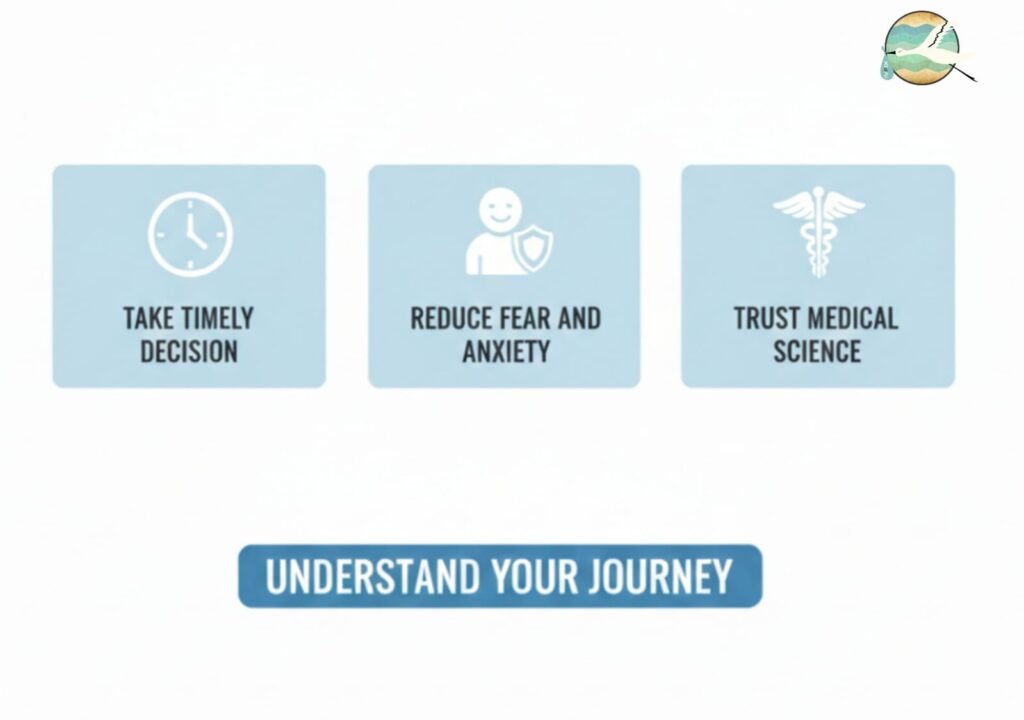
Believing myths can delay treatment and reduce success chances. Understanding IVF facts helps couples:
- Take timely decisions
- Reduce fear and anxiety
- Trust medical science
Conclusion
IVF is a safe, scientific, and effective fertility treatment. Most fears around IVF come from myths rather than facts. By understanding the truth, couples can move forward with confidence and hope.
If you are planning IVF or facing fertility challenges, consult a fertility specialist to understand what is best for you.
Right information can change fear into confidence and dreams into reality.
Frequently Asked Questions (FAQs)
- Is IVF safe for both mother and baby?
Yes, IVF is a medically proven and safe fertility treatment when done under the guidance of an experienced fertility specialist. IVF babies are as healthy as naturally conceived babies. - How many IVF cycles are usually needed to get pregnant?
Some couples conceive in the first IVF cycle, while others may need more than one cycle. The number of cycles depends on age, fertility condition, and overall health. - Does IVF treatment cause long-term side effects?
Most women do not experience long-term side effects from IVF. Temporary effects like bloating or mild discomfort may occur, but serious complications are rare. - Can IVF work after years of infertility?
Yes, IVF can be successful even after many years of infertility. Many couples who tried other treatments for years have conceived through IVF. - When should a couple consider IVF treatment?
IVF should be considered if pregnancy does not occur after 1 year of trying (or 6 months if the woman is above 35), or when there are known fertility problems like blocked tubes or low sperm count.